
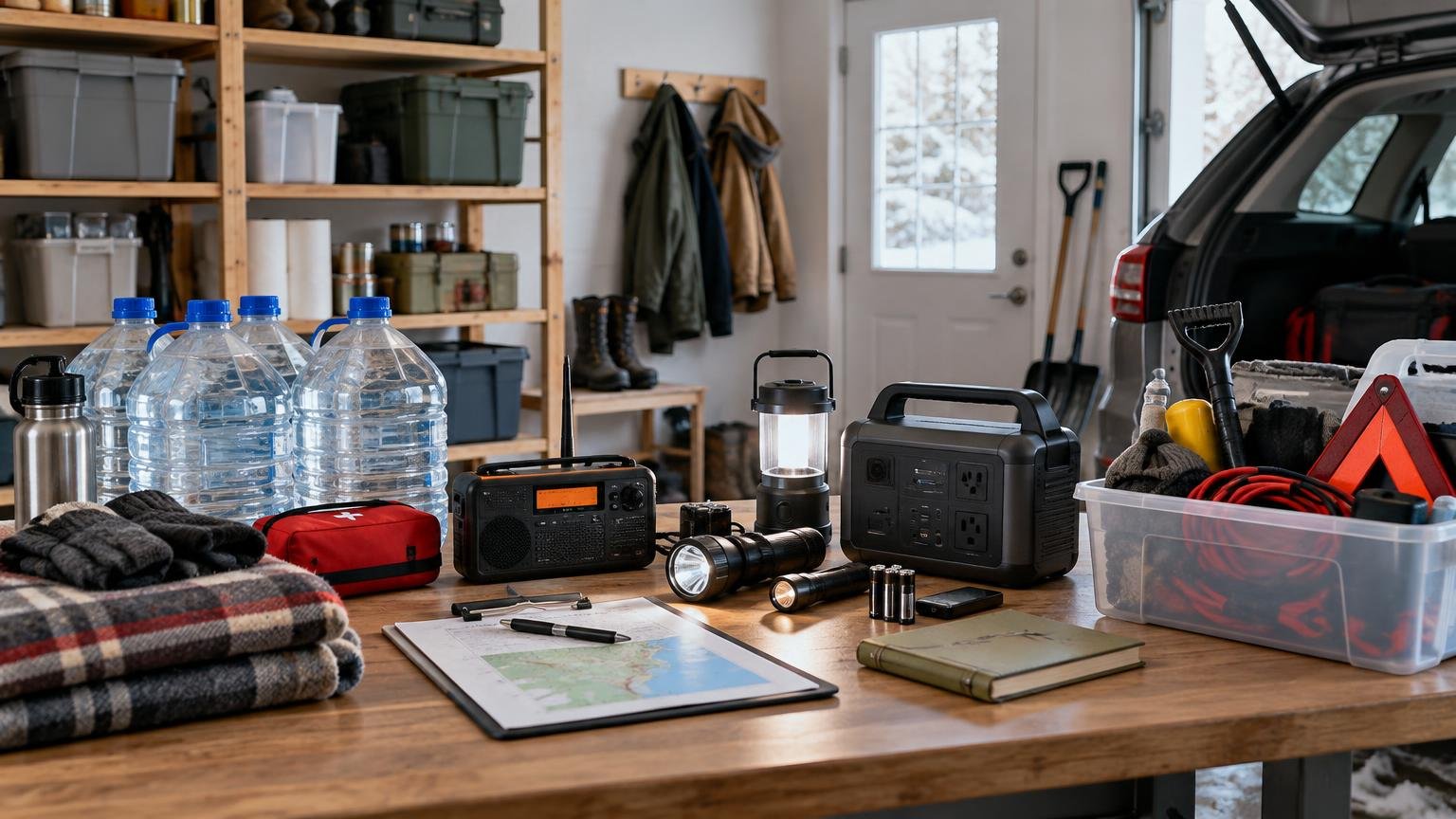
Emergency Preparedness, Household Supplies and Outdoor Readiness
Build useful supplies, communication plans and household routines for outages, severe weather, emergencies and unexpected travel disruptions.
Practical preparedness starts with a workable plan
Emergency preparedness is most useful when it fits ordinary life. The Real Survivalists covers the supplies, plans, and routines that help households, drivers, and campers respond calmly to outages, severe weather, travel disruptions, and other emergencies. The emphasis is practical readiness: knowing what you have, where it is, and how to use it. That structure reduces rushed decisions when time, power, or familiar services are limited.
Preparation does not need to begin with specialized gear or an overwhelming shopping list. It can start with drinking water, shelf-stable food, medications, lighting, backup charging, contact information, and a clear meeting plan. From there, readers can build in layers, adapting each step to household size, climate, health needs, pets, travel patterns, and local hazards. A modest plan that can be maintained is more valuable than a complicated kit no one checks.
Find the guidance that matches the problem
Start with the situation most likely to disrupt your household, such as a blackout, winter storm, evacuation, boil-water advisory, or roadside delay. Then choose the section that addresses the immediate decision. Emergency Preparedness brings plans together, while the other sections focus on particular systems, locations, or skills. This keeps the next step concrete instead of treating preparedness as one enormous project.
Before buying anything, inventory what is already available and identify the failure points that matter most. Check whether stored water is accessible, food can be prepared without normal utilities, phones have a charging path, and essential information exists offline. A short written checklist makes gaps easier to see and prevents duplicate purchases.
Use the guides to turn broad advice into household-specific actions. Quantities, storage choices, evacuation routes, communications, and vehicle supplies should reflect the people involved and the conditions they may face. Revisit the plan after a move, seasonal change, medication update, new driver, or major equipment change.
Latest preparedness guides
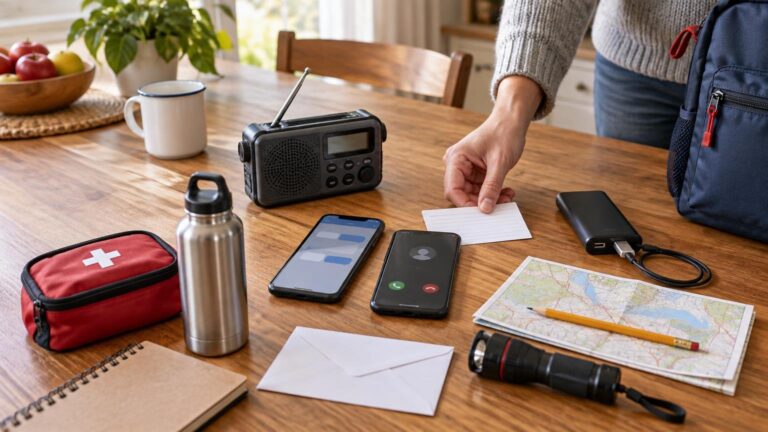
Texting vs Calling During an Emergency: Build a Family Communication Strategy
Learn when to text family, make a voice call, or contact 911—and build a layered household communication plan with backup power and offline information.
Read more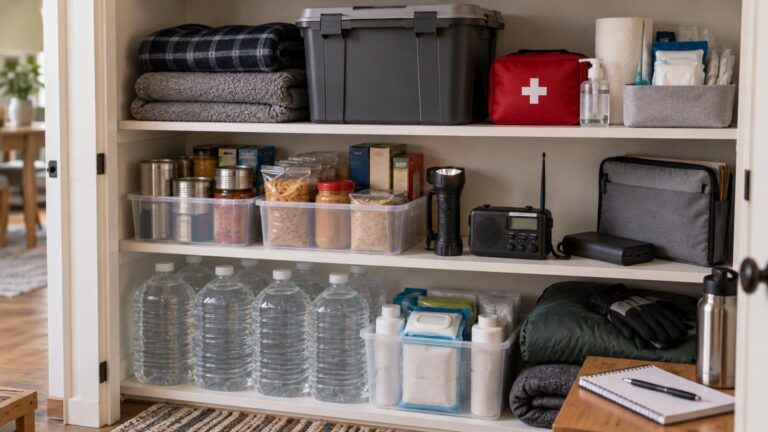
How to Build a Home Emergency Supply Closet
Organize a fixed emergency supply closet around water, food, power, sanitation, communication, temperature control, and your household’s specific needs.
Read more
How to Estimate Daylight Remaining Without Relying on Your Phone
Use the Sun as a rough warning rather than a precise clock, then rely on conservative turnaround limits, real lighting, offline navigation, and a trip plan.
Read more
What to Do If You Get Turned Around on a Hiking Trail
A calm, decision-based plan for stopping, locating yourself, contacting help, staying visible, and managing weather when you become disoriented on a hike.
Read moreBuild readiness one useful step at a time
A dependable plan is maintained, not merely assembled. Rotate food and water as appropriate, recharge batteries, update contacts, review alerts, and make sure everyone knows where supplies are kept. Small recurring checks are easier to sustain than a complete rebuild after equipment expires or household needs change. Practice simple tasks, such as finding flashlights or reaching the meeting point, before stress is involved.
When instructions affect safety, use current guidance from directly responsible authorities and follow local directions during an active event. Weather, evacuation, water, food safety, road, and utility conditions can change quickly. The goal is not to predict every emergency, but to create enough capacity, information, and practice to make the next sound decision.