Map and Compass Basics for Hikers: Orient the Map Before You Move
A practical introduction to orienting a topographic map, taking a compass bearing and using simple planning and signaling backups on a hike.

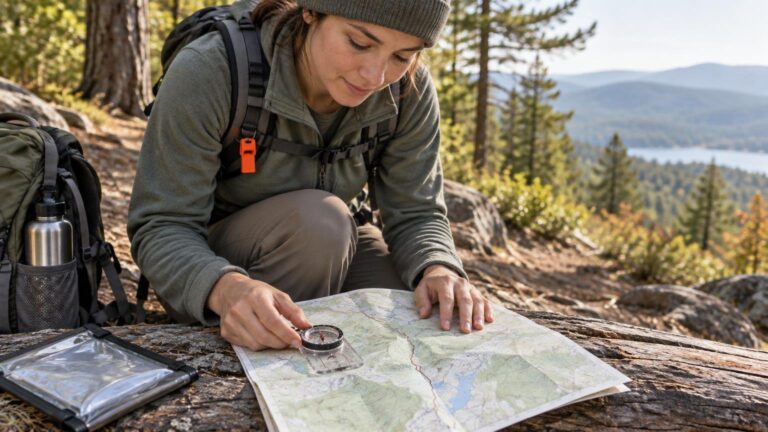
A practical introduction to orienting a topographic map, taking a compass bearing and using simple planning and signaling backups on a hike.

Use this practical home earthquake checklist to reduce falling hazards, identify safer areas, prepare for utility outages and keep essential supplies accessible.
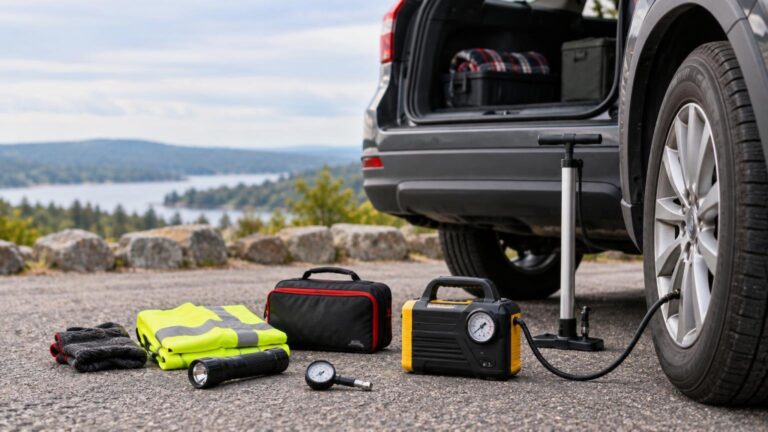
A portable electric inflator is usually the more practical primary tool for a car, while a manual pump makes a useful power-independent backup. Here is how to choose, use, and maintain both safely.
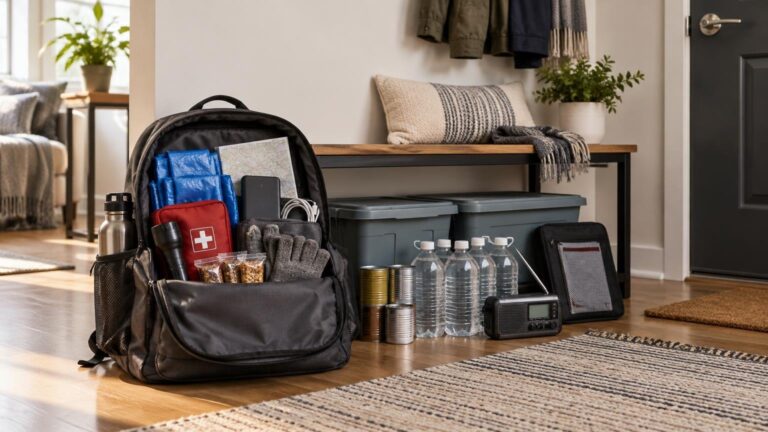
Build a compact apartment emergency system with an accessible go-bag, distributed home supplies, essential documents and a simple maintenance routine.
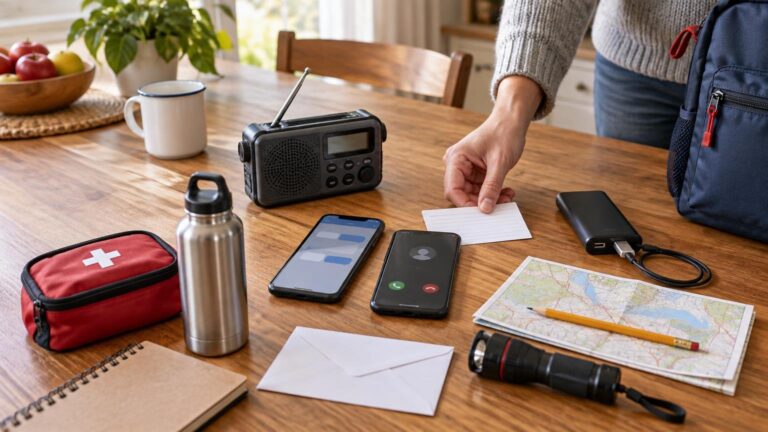
Learn when to text family, make a voice call, or contact 911—and build a layered household communication plan with backup power and offline information.
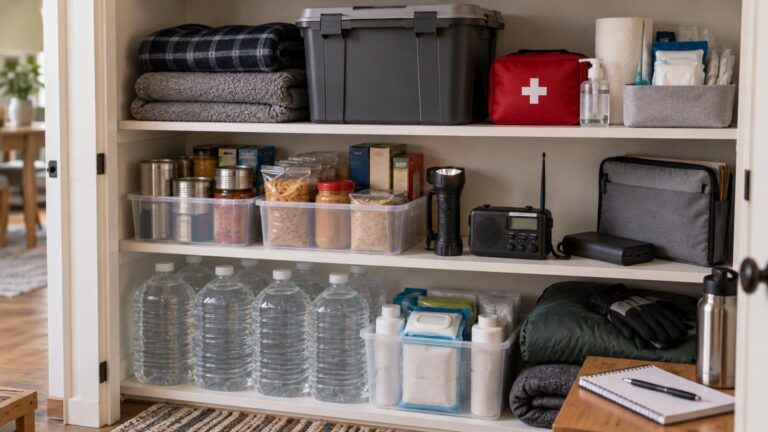
Organize a fixed emergency supply closet around water, food, power, sanitation, communication, temperature control, and your household’s specific needs.

Use the Sun as a rough warning rather than a precise clock, then rely on conservative turnaround limits, real lighting, offline navigation, and a trip plan.

A calm, decision-based plan for stopping, locating yourself, contacting help, staying visible, and managing weather when you become disoriented on a hike.

Build a practical road trip emergency kit with a compact core for communication, visibility, tire and battery trouble, safe waiting, and passenger needs—then adapt it for heat, winter weather, and remote routes.

Choose emergency water containers by capacity, filled weight, storage conditions, dispensing method, and portability—not by one-size-fits-all product rankings.